
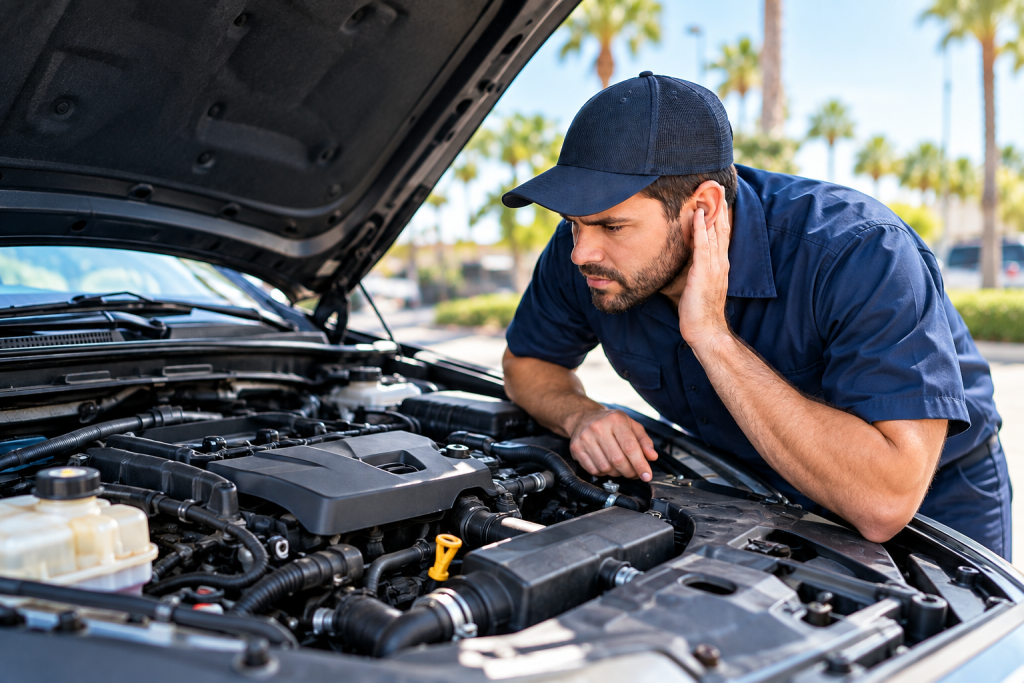
San Jose is one of the most electric vehicle friendly cities in the country. Between the commuters heading toward Silicon Valley and the steady growth of hybrids on every freeway, more drivers than ever are asking how to keep these vehicles running well. Electric and hybrid cars have fewer moving parts in some areas, but they are not maintenance free. This FAQ answers the most common questions about electric car maintenance in San Jose, EV service, and hybrid car repair, so you know what to expect.
Do Electric Cars Need Maintenance?
Yes. Electric cars skip some familiar chores, such as oil changes, spark plugs, and exhaust repairs, but they still have parts that wear out. Tires, brakes, suspension, cabin air filters, wiper blades, and 12 volt batteries all need attention. Coolant systems that keep the battery and electronics at the right temperature also need periodic service. Skipping maintenance can lead to smaller problems turning into costly ones, just like in any other car.
What Is the Difference Between an Electric Car and a Hybrid?
A fully electric vehicle runs only on a battery and has no gasoline engine. A hybrid combines a gasoline engine with an electric motor and a battery. Some hybrids, called plug in hybrids, can also be charged from an outlet and drive a certain distance on electricity alone. Because a hybrid has both systems, it needs the usual engine services plus attention to the hybrid components. That means oil changes, filters, belts, and fluids still apply, along with brake, cooling, and battery system checks.
What Routine Services Do Electric and Hybrid Vehicles Need?
Your owner’s manual lists the schedule for your exact model, but most EV and hybrid owners can expect the following:
- Tire rotation and inspection, since EVs are heavy and can wear tires faster
- Brake inspection and fluid service
- Cabin air filter replacement
- Coolant system checks for the battery and power electronics
- 12 volt battery testing, which powers accessories and can fail like any battery
- Suspension and steering inspection
- Wiper blade and light checks
- For hybrids, oil and filter changes and engine related services
Do Electric Cars Wear Out Their Brakes Faster or Slower?
Often slower, because many electric and hybrid vehicles use regenerative braking. When you lift off the accelerator, the motor slows the car while recovering energy, and the friction brakes do less work. That can extend pad and rotor life considerably. The tradeoff is that brakes used less often can develop rust or seize, especially in damp conditions. Brake inspections still matter, and cleaning and lubricating the hardware can keep the system working properly.
Why Do EV Tires Wear So Quickly?
Electric vehicles are heavier than comparable gas cars because of the battery pack, and electric motors deliver instant torque. Both factors put extra stress on tires. Rotating tires on schedule, keeping the pressure correct, and checking alignment can help them last longer. Ask your technician to inspect tread depth and look for uneven wear patterns at each visit.
How Long Does an EV or Hybrid Battery Last?
Many manufacturers back their high voltage batteries with long warranties, and the batteries often last for many years of normal use. Actual life depends on how you charge, how often you drive, climate, and the specific vehicle. Your warranty paperwork or owner’s manual explains the coverage for your car. If you notice a sudden drop in range, a warning message, or charging problems, have the vehicle looked at promptly instead of waiting.
What About the Small 12 Volt Battery?
This one surprises many owners. Even a fully electric car has a regular 12 volt battery that runs the computers, door locks, lights, and the systems that wake up the main battery. When it fails, the car may refuse to start or show strange warning messages even though the large battery is fully charged. If your vehicle will not respond, our guide to the top 10 reasons your car won’t start and how to get back on the road is a useful place to start, since the 12 volt battery is a common culprit in electric and hybrid cars too.
Can a Mobile Mechanic Service Electric and Hybrid Cars?
For many jobs, yes. A mobile mechanic can handle a range of services at your home or workplace, including tire and brake work, 12 volt battery testing and replacement, fluid and filter service, suspension checks, and diagnostic scans. For hybrids, routine engine services such as oil changes can also be done at your location.
Some work is different. Repairs that involve the high voltage battery, drive unit, or other high voltage components require specialized training, equipment, and safety procedures, and some may need to be done at a dealer or an EV specialist, especially if the car is under warranty. A trustworthy technician will tell you plainly what can be done on site and what should go elsewhere. When you book, share your vehicle’s year, make, and model, and describe the issue so the right person can assess it.
Will Servicing Outside the Dealer Void My Warranty?
In general, routine maintenance performed by an independent technician does not automatically cancel a new vehicle warranty, as long as the work is done properly and you keep records. Warranty rules vary by manufacturer and by component, so read your warranty documents and ask the provider about your specific situation before scheduling anything involving major systems. Keep receipts for every service, since they help show that the car has been maintained.
How Do Long Commutes Affect Electric and Hybrid Vehicles?
Bay Area drivers put on a lot of miles, and heavy traffic means plenty of stop and go driving. That wears tires, suspension, and brakes, and it affects how often you charge. Long daily drives also make it important to catch small problems early so they do not leave you stranded. Our article on long commutes in the Bay Area and when to get a mobile inspection explains how regular checkups fit into a busy schedule.
What Warning Signs Should EV and Hybrid Owners Watch For?
Do not ignore dashboard messages, even if the car still drives normally. Pay attention to these signs:
- Any warning light related to the battery, charging system, or power train
- A sudden drop in driving range that is not explained by weather or driving style
- Slow or interrupted charging
- Unusual noises from the wheels, brakes, or suspension
- A soft or spongy brake pedal
- Uneven tire wear or a car that pulls to one side
- Weak air conditioning or heating
- A car that will not start or will not wake up
If you see a serious warning, check the manual for what to do and stop driving if the message tells you to. Your safety comes first.
How Does Weather Affect Electric Cars?
San Jose has a mild climate, but heat still plays a role. Hot days increase demand for air conditioning, which can reduce range, and sustained high temperatures are hard on batteries and cooling systems. Cooler nights are rarely a problem here. Keeping the cooling system maintained and parking in shade when possible can help the vehicle stay at its best.
How Often Should I Have My EV or Hybrid Inspected?
A good habit is a general inspection once a year, or sooner if you drive a lot. Many owners pair that with tire rotations and brake checks every six months. Follow the manufacturer’s schedule for specific services, and add inspections if you commute long distances or notice anything unusual. Regular checkups are cheaper than emergency repairs.
Keep Your Electric or Hybrid Car Ready for the Road
Electric and hybrid vehicles can be wonderfully reliable, but they still depend on regular care. Stay on top of tires, brakes, fluids, and the 12 volt battery, know which jobs can be done at home, and ask questions about anything involving the high voltage system.
To learn more about our services, visit our homepage. If you have questions about your EV or hybrid or you are ready to schedule service, reach out through our contact us page and we will come to you anywhere in the San Jose area.